December 17, 2025
Machining Stainless Steel, Titanium & Superalloys
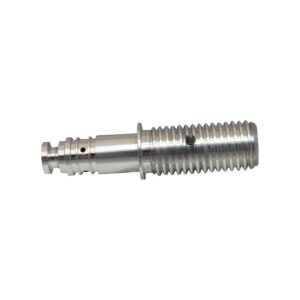
Stainless steel, titanium, and superalloys bring exceptional performance to aerospace, medical, defense, and energy applications. These materials resist corrosion, hold strength at elevated temperatures, and meet demanding ASTM and AMS specifications. They also challenge machinists with work-hardening tendencies, low thermal conductivity, and stress-related distortion. Shops succeeding with them depend on precise process controls, smart tooling, and data-driven machining strategies.
Why These Materials Are Challenging
Stainless steels generate heat rapidly when chip loads fluctuate. Titanium transfers only a small percentage of heat into chips, driving temperatures into the cutting edge instead. Superalloys—designed to survive inside turbines—resist shear, deform under heat, and work-harden aggressively.
Key challenges include:
- High heat generation that accelerates tool wear
- Low thermal conductivity in titanium and superalloys
- Work-hardening within milliseconds in many stainless grades
- High cutting forces that increase deflection
- Tight tolerance requirements under AS9100 and ISO 9001 frameworks
Material-by-Material Breakdown
Stainless, titanium, and nickel-based superalloys each behave differently at the tool–chip interface. Machinists adjust tool geometry, chip loads, and coolant strategies depending on alloy family.
Austenitic grades (304, 316L) work-harden almost instantly
Consistent chip load prevents surface hardening
Heat buildup can distort features during long roughing cycles
Generates long continuous chips that require precise chip-breaking
Cutting forces demand rigidity and stable tool engagement
High-pressure coolant at 1,000+ psi improves chip evacuation
Require low SFM ranges (often 20–90 SFM)
Rapid tool wear occurs without thermal control
Work-harden when feed rates drop or cutter rubs
Tooling & Speed/Feed Considerations
Carbide tooling with advanced PVD coatings improves thermal stability and reduces edge breakdown. The goal is to maintain predictable chip thickness while preventing tool dwell.
Best-practice considerations:
- TiAlN, AlTiN, or nanocomposite coatings for heat resistance
- Feed ranges (best practices):
- Stainless: 0.002–0.006 in/tooth
- Titanium: 0.003–0.010 in/tooth
- Superalloys: 0.001–0.004 in/tooth
- Can vary with tool geometry, operation (milling vs turning), coolant, etc.
- Adaptive toolpaths to maintain constant engagement
- Tool life improvements of 20–40% using modern HEM strategies
- High-pressure coolant to prevent chip rewelding
Thermal Expansion & Stress Deformation
Heat affects material behavior long before inspection occurs. Expansion, contraction, and internal stress release influence accuracy.
Critical thermal behaviors:
- Stainless expands quickly, shifting features by several tenths during roughing
- Titanium releases internal stresses once material is removed
- Superalloys deform when residual stresses redistribute during machining
- Rough-rest-finish cycles minimize stress accumulation
- In-process probing adjusts offsets for deviations > 0.0005 inches
McCormick Industries Process Controls That Solve These Problems
McCormick Industries applies structured, repeatable controls tailored to high-performance alloys. These controls enhance predictability, maintain dimensional stability, and support compliance with AS9102 First Article requirements.
Core process controls include:
- Material certification verification: Confirming sourced material certifications verify chemistry and hardness against ASTM, AMS, and DFARS specifications
- Predetermined tool life cycles: Managed by minutes of cut time, not parts
- High-pressure coolant delivery: Stabilizing temperatures and chip evacuation
- In-process inspections: Tracking dimensional shifts after critical ops
- Documented process control plans: Ensuring replicability across batches
McCormick’s integration of data analytics, validated tooling packages, and tight thermal control ensures consistent machining performance across stainless steel, titanium, and demanding superalloys.